© Marko Stojanović
How I Learned to Drive
Tara Manić
Running time: 80'
Tickets
Full price: €18
Under 30 / over 65 / groups: €12
Students: €9
Membership: included in the subscription
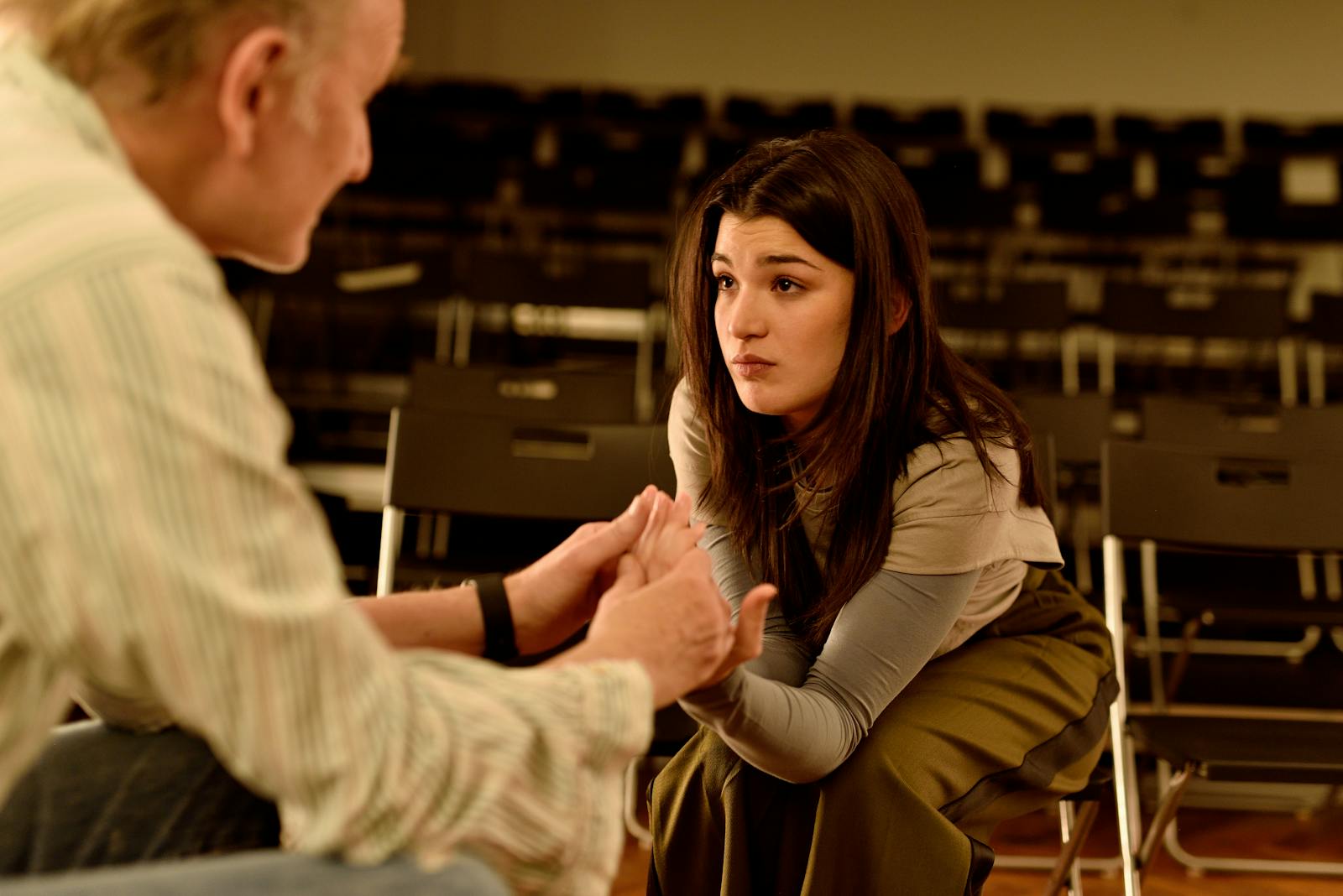
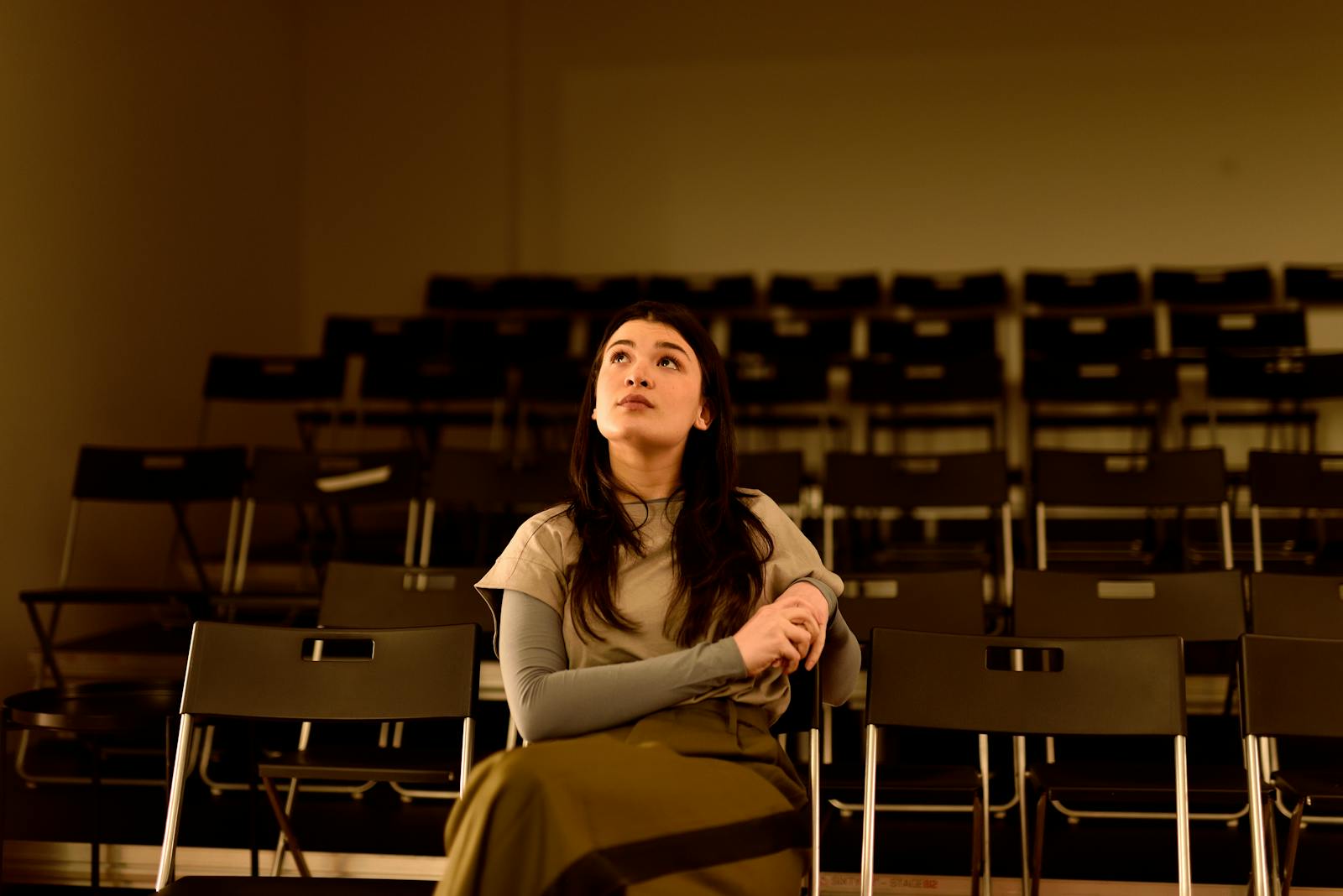
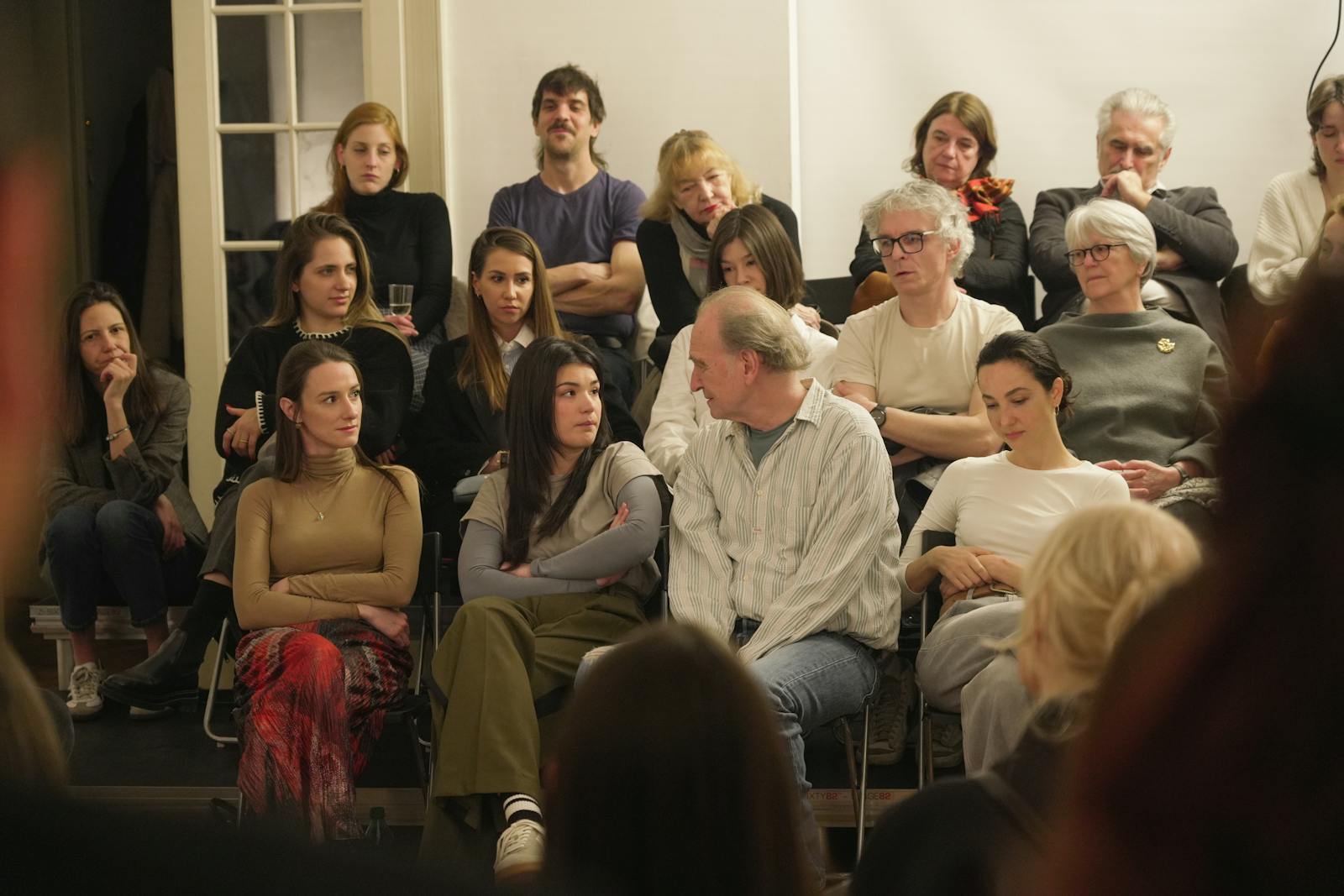
Written in 1997, Paula Vogel’s celebrated How I Learned to Drive, a Pulitzer prize-winning theatrical piece seen by many as a female take on Lolita, remains urgently relevant with its description of how violence in sentimental relations, rather than breaking out suddenly, can build up over time in grey areas of trust, tenderness and manipulation. Director Tara Manić, a rising star of Serbian theater, stages this complex piece in an intimate space, with the physical proximity of the actors and the audience rendering the day-to-day, ambivalent relations between the female protagonist and her uncle all the more palpable. The director’s minimalist approach avoids visualization, relaying significantly on the audience, as actors Marta Bogosavljević and Svetozar Cvetković take no emotional shortcuts in depictingmoments of affection, authority, confusion and damage. The work focuses on something which is still hard to talk about: simmering violence and the cracks in society in which pedophilia and misogyny can take hold.
Director Tara Manić was born in 1994 in Belgrade. She earned her bachelor's and master’s degrees from the Department of Theater and Radio Directing at the Faculty of Dramatic Arts in Belgrade. Tara’s productions have been presented at numerous festivals in Serbia and abroad, winning multiple awards, including Best Theatrical Work, Best Actress, and Best Actor at the 16th Banja Luka International Actors Festival in 2024. She is an associate artist at Heartefact, a multidisciplinary cultural and theater production center based in Belgrade. Aiming to strengthen the independent cultural sector, Heartefact is dedicated to fostering creative, critical, and responsible engagement with emerging artistic, social, and political issues at the national, regional, and European levels. The organization supports new models of production, regional cooperation, and alternative forms of education, while organizing forums that critically examine cultural and social realities to ensure that cultural and public spaces are diverse, enriched, vibrant, and more tolerant of differences.
Info
Performance in Serbian with Italian and English surtitles
Credits
Text: Paula Vogel
Director: Tara Manić
Translation: Ivana Đurić Paunović
Text Adaptation: Vuk Bošković
Cast: Svetozar Cvetković and Marta Bogosavljević
Set/Costume Design: Zorana Petrov
Music: Vladimir Pejković
Lighting Design: Nemanja Calić and Zorana Petrov
Public Relations: Slavica Pešić
Photo and Video Production: Marko Stojanović
Poster Design: Marko Stojanović
Technical Assistants: Nemanja Calić, Bojan Durutović
Executive Production: Selena Pleskonjić and Aleksandra Lozanović
Production: Heartefact, March 2024
Premiere: March 17, 2024, Heartefact House, Bulevar Despota Stefana 7
Calendar
Highlights
© Marko Stojanović

© Marko Stojanović
© Marko Stojanović
© Dragana Udovičić
Archives and collection
Explore hundreds contents →